
10 Practical Money-Saving Tips for Your Budget

Introduction
Managing personal finances can be daunting, but small changes to how you handle money can make a huge impact. If you're looking to save more and spend less, here are ten money-saving tips that can help you take control of your finances.

1. Create a Budget
The foundation of any effective money-saving strategy is a solid budget. Knowing where your money goes each month helps you make informed decisions about your spending. Start by tracking all your expenses, including rent, utilities, groceries, and discretionary spending.

2. Cut Unnecessary Subscriptions
Subscriptions for services like streaming platforms, magazines, and gyms can add up quickly. Evaluate which ones you truly need and cancel any that aren't providing enough value. You might be surprised by how much you can save simply by eliminating unused subscriptions.

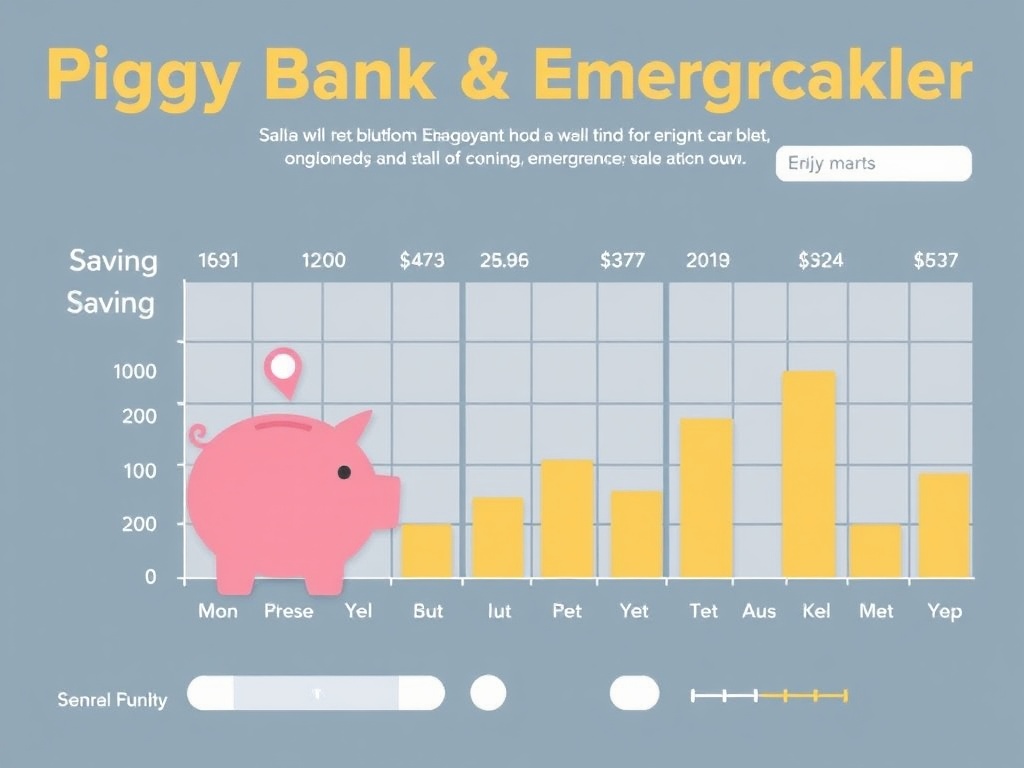
3. Set Up an Emergency Fund
Emergencies are unavoidable, but having an emergency fund ensures that unexpected expenses don't derail your financial progress. Aim to save at least three to six months' worth of living expenses, and keep it in a separate account so you won't be tempted to dip into it.
4. Use Cash for Discretionary Spending
Switching to cash for things like eating out, entertainment, and shopping can help limit your spending. When the cash is gone, you know it's time to stop. It’s a simple trick that can keep you more mindful of your financial habits.

5. Shop with a List
Impulse buying is a common budget buster. Avoid unnecessary purchases by shopping with a list and sticking to it. Whether it's groceries or clothing, having a clear list helps you focus on what you truly need and avoid overspending.

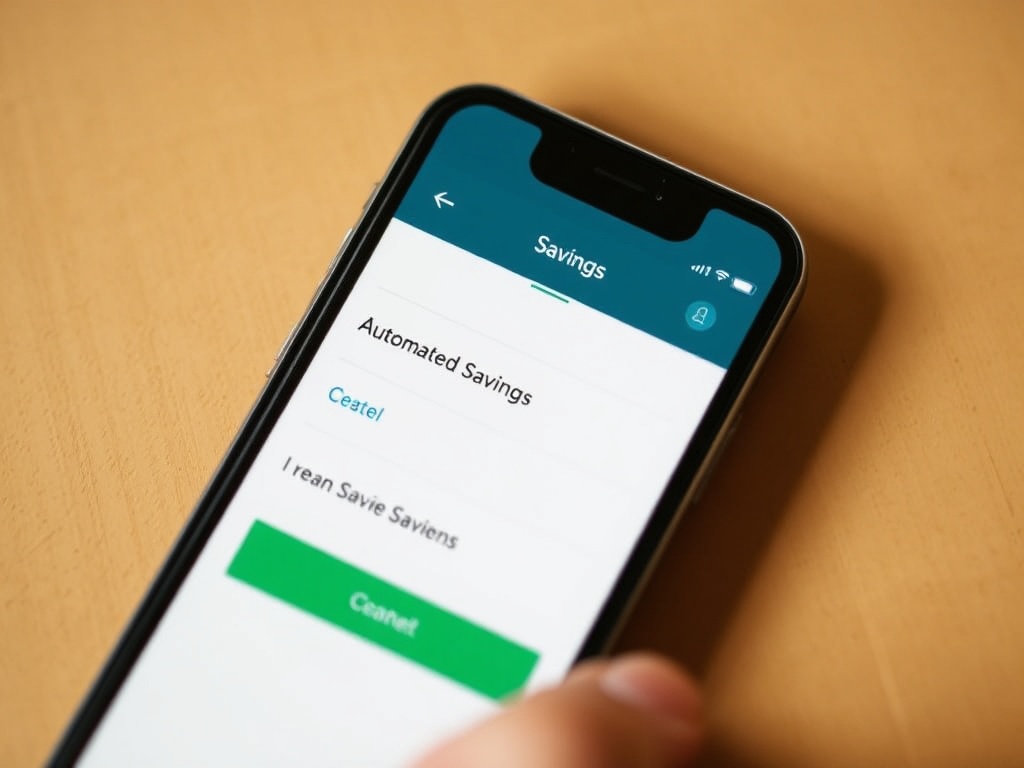
6. Automate Savings
One of the easiest ways to save is by automating the process. Set up automatic transfers from your checking account to your savings account each payday. This ensures you're consistently saving without having to think about it.
7. Eliminate High-Interest Debt
High-interest debt, like credit card balances, can eat away at your finances. Focus on paying off high-interest debt as quickly as possible to save on interest charges. Once it’s cleared, you’ll have more room to save and invest.

8. Take Advantage of Cash Back and Rewards
If you're going to spend, make it count! Use credit cards that offer cash back or rewards points on everyday purchases. Just be sure to pay off the balance in full each month to avoid interest charges.

9. Plan Meals and Cook at Home
Eating out or ordering takeout is convenient, but it can be expensive. Plan your meals for the week, make a shopping list, and cook at home as much as possible. This will save you money on food and give you more control over your diet.

10. Buy in Bulk
Buying in bulk can save you money in the long run, especially for non-perishable items like canned goods, rice, and pasta. Additionally, bulk items often come with discounts that make them more affordable compared to buying smaller quantities.

Conclusion
Saving money is about making small, consistent changes to your habits. By implementing these tips, you can take control of your budget, reduce expenses, and start saving for the future. Begin today, and watch your savings grow over time.